Stop Killing Your $1,200 Boots: Five Habits That Keep Serious Leather Alive for Decades
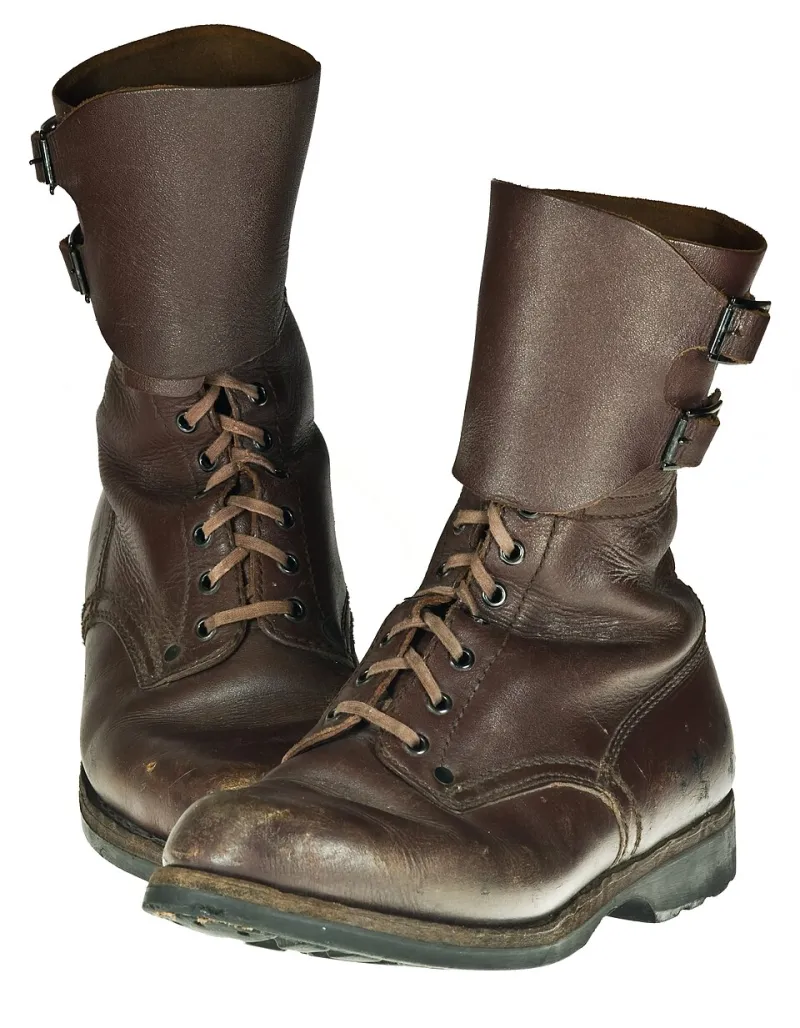
Photo: Nikodem Nijaki, CC BY-SA 3.0, via Wikimedia Commons
Do the math on your boot collection sometime. Not the emotional math — the actual math. If you've got four pairs north of $500 each and they're lasting five years when they could last fifteen, you're burning money in a way that would make your accountant wince.
The good news: leather footwear is one of the few luxury categories where maintenance genuinely works. A few habits, applied consistently, can turn a decade-long purchase into a generational one. Here's what actually matters.
1. Condition on a Schedule, Not on a Feeling
Most people condition their boots when they look dry, which is like drinking water only when you're already dehydrated. Leather starts losing its integrity before the cracking shows.
The fix is boring and effective: every two to three months for regularly worn pairs, twice a year for the ones that live in the closet. Use a quality conditioner — nothing from a gas station — applied thin, in two passes, with a full night to absorb. If your boots see heavy wear or wet weather, shorten the interval. Think of it as dental hygiene for leather: unglamorous, cheap, and the difference between keeping your teeth and buying replacements.
2. Rotate Ruthlessly
Wearing the same pair every single day is the fastest way to kill it. Leather needs roughly 24 hours to fully dry from the moisture your feet produce — wear a pair back-to-back and you're essentially slow-cooking the structure from the inside.
If you own three rotating pairs, each one lives dramatically longer than a single pair worn daily. This is the rare case where buying more boots is genuinely the responsible financial decision. We'll take that.
3. Pay for Real Heel Work
Here's where people get stingy, and it costs them everything. A worn heel tip left too long doesn't just need a tip — it chews up the heel block, throws off your gait, and eventually damages the sole and the heel seat. What would've been a $15 fix becomes a $150 rebuild, if it's fixable at all.
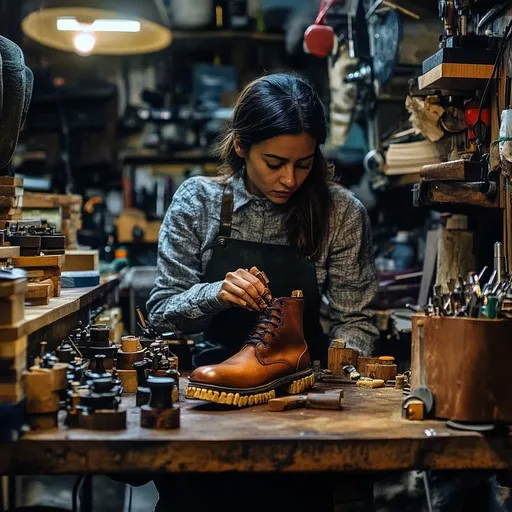
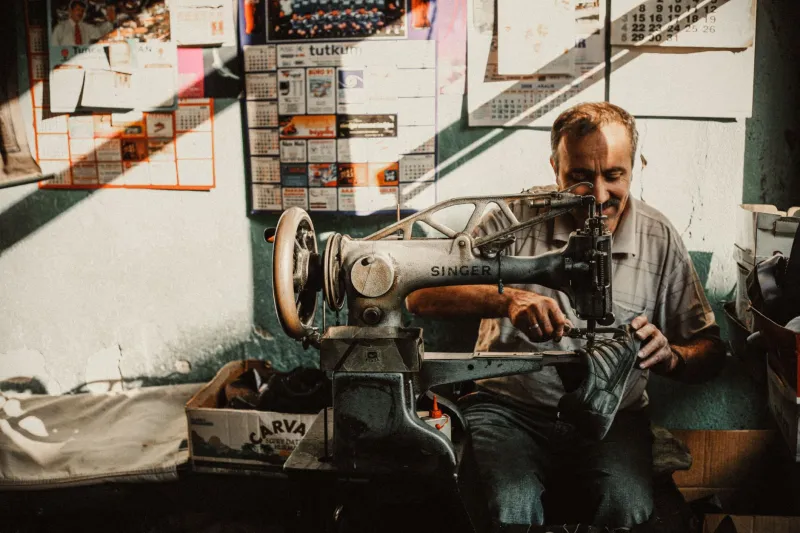
Find a cobbler you trust and see them the moment a heel starts clicking differently. Replace sole taps and heel tips proactively, every six to twelve months on frequently worn pairs. A good cobbler relationship is worth more than any product you'll ever buy.
4. Fix Your Storage Before It Fixes You
The quiet collection-killer. Boots crammed into a closet floor, bent at the shaft, in a damp basement apartment — that's how $1,000 leather turns into a science experiment.
The essentials: boot trees or shaft supports so tall boots stand upright, cedar shoe trees for the footbed, and airflow. Never store leather in plastic bins or sealed bags long-term — it needs to breathe or it dries out and molds. Skip the heat vents and direct sunlight. If you live somewhere humid, a small dehumidifier near your storage is cheaper than one ruined pair.
5. Clean Like You Mean It, Right After You Wear Them
Salt, rain, bar floors, city grime — everything that touches your boots on a night out starts eating the finish immediately. A two-minute wipe-down with a barely damp cloth when you get home, followed by drying away from heat, prevents the majority of long-term damage before it starts.
For pairs you really love, a quick brush and buff before they go back on the shelf doubles as inspection time — you'll catch a loose stitch or drying patch weeks before it becomes a problem.
Devotion, But Make It Financial
There's a version of boot care that's pure ritual — the cleaning, the conditioning, the quiet satisfaction of mirror-shine leather. We're not here to talk you out of that. But underneath the romance sits a simple truth: the people with the best collections aren't the ones who spend the most. They're the ones who spend the most attention.
Your future self — the one still wearing these boots in 2045 — will thank you.