Behind the Counter at the Leather Bench: America's Cobblers Keep the Kink Quiet
There's a moment every cobbler knows. The customer slides a pair across the counter, glances over their shoulder, and lowers their voice just a little. "The zipper's gone. Can you...?" They don't finish the sentence. They don't have to.
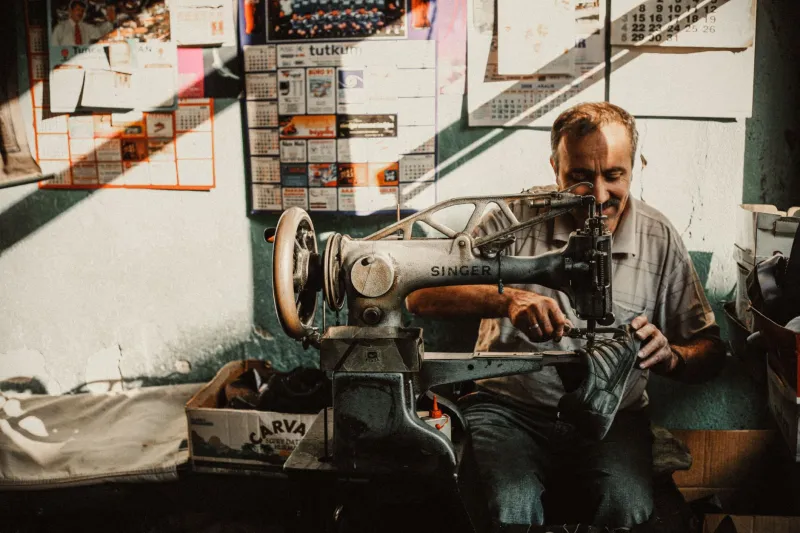
Across the country, from a third-generation shop in Chicago's Logan Square to a one-man leather bench in Portland, America's repair craftsmen have become the unofficial custodians of fetish footwear. They rebuild heels that were never meant to be walked on. They replace hardware that hasn't been manufactured since the '80s. And they do it all while maintaining an unspoken code of silence that would make a therapist jealous.
The Code of the Counter
Ask any cobbler about discretion and you'll get the same shrug. It's not a policy. It's the job.
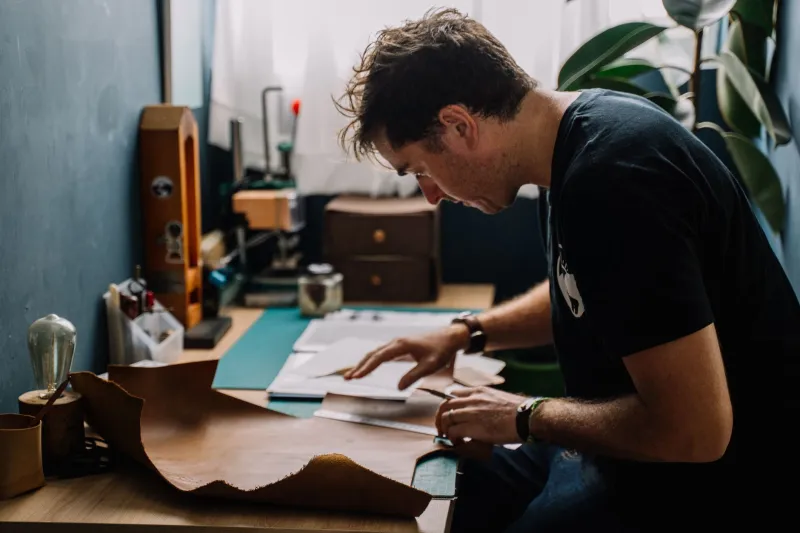
"People bring me things they'd never show their best friend," says a restorer who's worked leather in Ohio for over two decades. "Wedding shoes, dead dad's boots, and yes — the wild stuff. You treat all of it the same. That's the whole deal."
That deal looks like this: no commentary, no judgment, no questions about why a knee-high boot has seven buckles and a heel you could spear a salad with. The client pays. The work gets done. Nobody's business goes home with anybody else.
For customers, this neutrality is everything. Many boot lovers have exactly one person in their life they trust with their collection, and it's the person behind the repair counter — someone they may have never exchanged more than ten words with.
What Actually Comes Through the Door
The work itself ranges from routine to genuinely heroic.
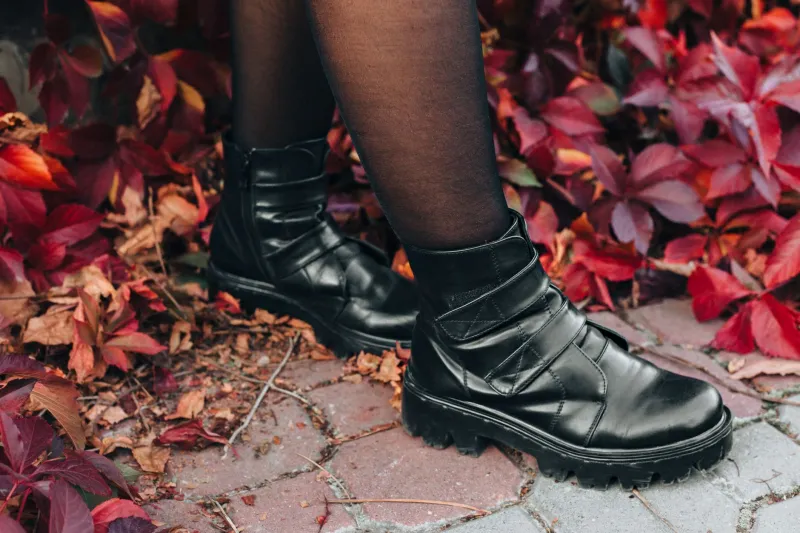
Thigh-high zippers are the bread and butter. Cheap zips fail constantly under the torque of tight leather, and replacing one on a lined boot means partially deconstructing and rebuilding the shaft. Skilled hands charge accordingly, and regulars know a fair price when they see one.
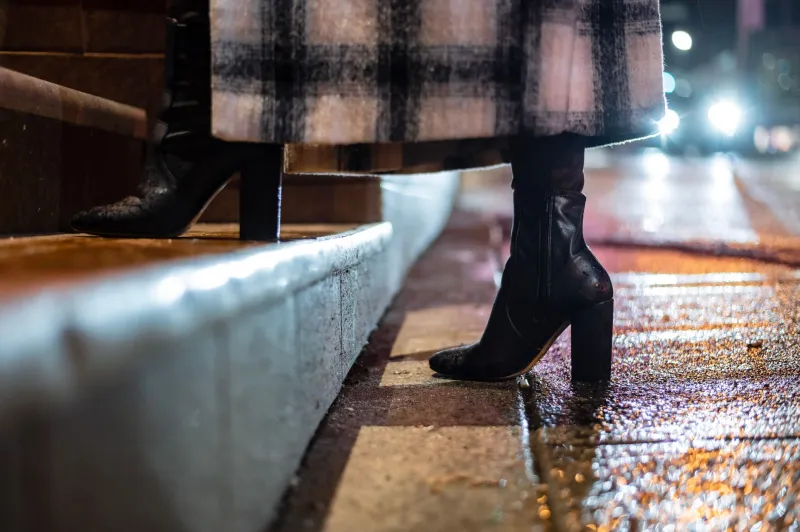
Stiletto heel reconstruction is another specialty. Thin heels snap, tips wear down to bare metal, and some clients want their platforms rebuilt sturdier than stock. One craftsman described reinforcing a heel so the owner could actually wear her favorite pair to a concert instead of letting them gather dust.
Hardware and lacing systems — eyelets ripped out, D-rings bent, custom buckles that exist nowhere on the internet — get sourced, fabricated, or machined from scratch.
And then there are the restoration jobs. Vintage boots from defunct American makers, whose patterns and lasts exist only in the cobbler's memory now. Clients bring in boxes of cracked, dried-out leather from a pair they bought twenty years ago and pray someone can bring them back. The good ones can. It just takes time, conditioners, patience, and a willingness to work on something the mainstream industry pretends doesn't exist.
Why the Big Brands Made This Necessary
Here's the uncomfortable truth: luxury fetish footwear is often built for photos, not for life. Delicate soles, ornamental heels, zippers rated for about eleven wears. When a $600 pair starts falling apart after a season, the manufacturer shrugs. Returns are denied. Warranty is a rumor.
So the repair shop becomes the only adult in the room.
"Half my fetish-adjacent work is fixing what a factory shouldn't have shipped," one West Coast restorer told us. "I rebuild them better than they came. Then that client tells two friends, and suddenly I'm the only guy in the state doing this."
That word-of-mouth network — quiet, local, fiercely loyal — is how these workshops survive. No advertising needed. Just a reputation for saying yes when everyone else says no.
More Than a Transaction
Talk to these craftsmen long enough and something unexpected emerges: the repair bench as a kind of safe space.
Customers linger. They chat. Some finally say out loud, for the first time, what the boots mean to them. The cobbler nods, quotes a price for the heel rebuild, and keeps sanding. That's the magic of it — the confession happens in a space where it's met with total indifference, which is somehow the warmest response possible.
One client, a retired schoolteacher from Michigan, told her cobbler she'd hidden her collection from two marriages. He handed her boots back, zips gliding like new, and said, "Take care of these and they'll outlive us both."
That's the whole relationship, really. No lectures. No looks. Just craft, respect, and a pair of boots that walk another day.
Finding Your Own Bench
If you've got a pair sitting in the closet with a busted zip and a broken heart attached, here's the playbook:
- Search beyond the fetish angle. A great cobbler doesn't need to specialize in your lifestyle — they need to specialize in leather, zippers, and heels. Skill is skill.
- Ask about zipper replacement on lined shafts specifically. Their answer tells you everything about their experience level.
- Expect to pay real money. Good repair work on tall boots can run $80–200+. That's cheaper than replacement and better than landfill.
- Be a regular. The best service goes to people who show up, pay fair, and don't waste anyone's time.
The boot community has always run on quiet networks — the shop that stocks your size, the forum that gets your references, the cobbler who never blinks. These workshops aren't just keeping leather alive. They're keeping a promise: that whatever you wear, however you wear it, somebody skilled will help you keep it on your feet.
And they'll never breathe a word about it.